
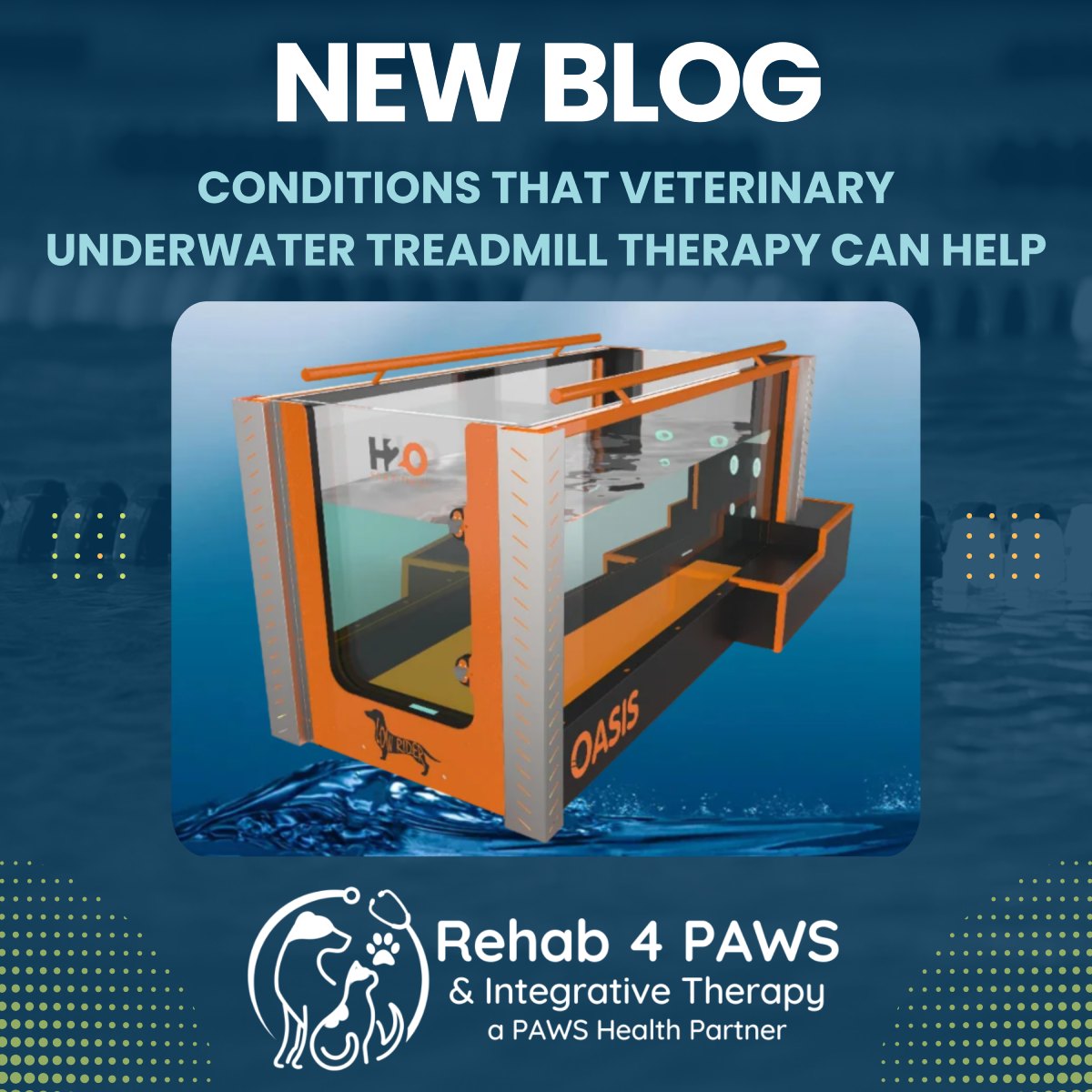
Veterinary underwater treadmill therapy, a specialized form of hydrotherapy, has become an invaluable tool in the rehabilitation and overall wellness of pets. The combination of buoyancy, resistance, and controlled movement in water offers numerous therapeutic benefits for a variety of conditions. Here are some of the primary conditions that can be effectively managed with underwater treadmill therapy:
- Orthopedic Conditions
Arthritis
Arthritis is a common condition in older pets, characterized by inflammation and stiffness in the joints. The buoyancy of water reduces the load on painful joints, making movement less painful. This allows pets to exercise and improve their range of motion without exacerbating their condition.
Hip Dysplasia
Hip dysplasia, a genetic condition where the hip joint is malformed, can cause significant pain and mobility issues. The resistance provided by water helps strengthen the muscles around the hip joint, providing better support and reducing discomfort.
Post-Surgical Rehabilitation
Pets recovering from orthopedic surgeries, such as cruciate ligament repair or fracture fixation, benefit greatly from underwater treadmill therapy. The water supports the body, reducing the risk of re-injury while allowing for controlled, progressive exercise to restore strength and function.
- Neurological Conditions
Intervertebral Disc Disease (IVDD)
IVDD is a condition where the discs between the vertebrae in the spine herniate or burst, causing pain and neurological deficits. Underwater treadmill therapy helps in regaining strength and coordination by providing a low-impact environment for exercise.
Degenerative Myelopathy
This progressive disease affects the spinal cord, leading to weakness and paralysis in the hind limbs. While there is no cure, underwater treadmill therapy can help maintain muscle mass and improve mobility for as long as possible.
- Obesity and Weight Management
Excess weight can put undue stress on an animal’s joints and organs. Underwater treadmill therapy provides an effective way for overweight pets to exercise without putting extra pressure on their joints. The resistance of water helps burn calories and build muscle, aiding in weight loss and overall fitness.
- Musculoskeletal Injuries
Soft Tissue Injuries
Sprains, strains, and other soft tissue injuries can benefit from the controlled environment of underwater treadmill therapy. The buoyancy of water reduces the strain on injured tissues, while the resistance helps in gentle strengthening and recovery.
Muscle Atrophy
Pets that have experienced prolonged periods of immobility due to injury or illness often suffer from muscle atrophy. Underwater treadmill therapy can help rebuild muscle mass and improve overall strength through controlled, low-impact exercise.
- Age-Related Mobility Issues
As pets age, they often experience a decline in mobility due to a combination of factors such as arthritis, muscle weakness, and general wear and tear. Underwater treadmill therapy provides a safe and effective way for senior pets to maintain mobility and improve their quality of life.
- Athletic Conditioning and Performance
For working dogs, agility competitors, and canine athletes, underwater treadmill therapy can be an excellent tool for conditioning and performance enhancement. It provides a low-impact workout that helps build strength, endurance, and flexibility, reducing the risk of injury during high-intensity activities.
Conclusion
Veterinary underwater treadmill therapy offers a multitude of benefits for pets suffering from a variety of conditions. Whether it’s aiding in recovery from surgery, managing chronic diseases, or improving overall fitness, this therapeutic modality provides a gentle yet effective way to enhance the health and well-being of our furry companions. If you believe your pet could benefit from underwater treadmill therapy, consult with your veterinarian or a certified rehabilitation specialist to determine the best course of action.


0 Comments