
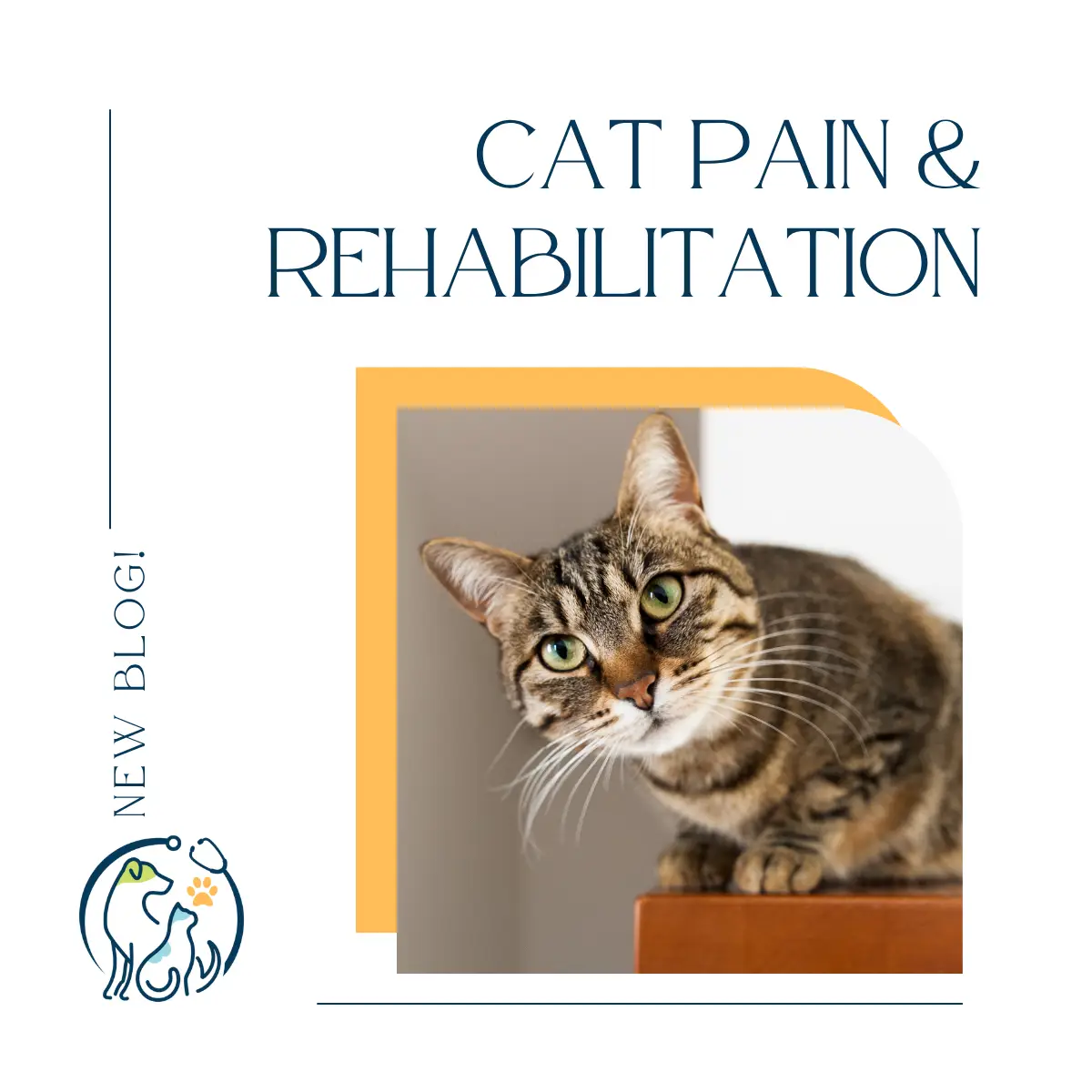
Cats are known for their independence, agility, and quiet resilience. But when they’re in pain, they often suffer in silence. Unlike dogs, cats rarely show obvious signs of discomfort. This natural stoicism can delay diagnosis and treatment, especially for chronic pain. At Rehab 4 Paws & Integrative Therapy, we’re passionate about helping cats live more comfortable, mobile lives through integrative rehabilitation and pain management.
Why Is Cat Pain So Hard to Detect?
Felines are masters at hiding pain—a survival instinct from their wild ancestry. In the wild, showing weakness could make them vulnerable to predators. Unfortunately, this means modern-day cats may endure pain for weeks or months before it becomes noticeable to their humans.
Common but subtle signs of pain in cats include:
- Hiding more often or withdrawing from family members
- Reduced grooming or unkempt coat
- Reluctance to jump, climb, or use stairs
- Changes in litter box habits
- Decreased appetite
- Sudden aggression or irritability
- Limping or changes in gait
- Restlessness or changes in sleep patterns
Any of these changes warrant a veterinary assessment. With the right support, cats don’t have to live with chronic discomfort.
Common Causes of Pain in Cats
At Rehab 4 Paws & Integrative Therapy, we frequently see feline patients experiencing pain due to:
- Arthritis and joint degeneration: Common in older cats, though often underdiagnosed.
- Injuries: From falls, fights, or accidents—especially in active or outdoor cats.
- Post-surgical pain: Recovery from spay/neuter, orthopedic surgery, or dental work.
- Neurological disorders: Conditions affecting the spine or nerves.
- Soft tissue injuries: From overstretching, strained muscles, or trauma.
- Obesity: Excess weight places additional stress on joints and tissues.
Understanding the root cause of your cat’s pain helps us develop an effective, personalized rehabilitation plan.
How Rehabilitation Helps Cats in Pain
Feline rehabilitation is a growing field that adapts physical therapy techniques to meet the unique needs of cats. While they may not participate in rehab the same way dogs do, they still benefit greatly from gentle, targeted care.
Here’s how rehab supports pain relief and improved function in cats:
1. Pain Relief Without Overmedication
We use gentle, non-invasive techniques like cold laser therapy, acupuncture, and therapeutic massage to reduce inflammation and stimulate healing. These therapies complement any medications your cat may be taking, often allowing for lower doses and fewer side effects.
2. Improved Mobility and Comfort
For cats with arthritis or joint issues, rehab exercises (tailored to feline behavior and tolerance) help preserve range of motion, maintain muscle mass, and support easier movement. Even small improvements in flexibility can significantly enhance your cat’s ability to jump, groom, and navigate their environment.
3. Post-Surgical Recovery
After surgery, structured rehabilitation promotes healing while minimizing scar tissue and muscle loss. Our techniques reduce the risk of re-injury and help cats return to normal activity more comfortably and quickly.
4. Weight Management
Obesity is a major contributor to chronic pain in cats, yet reducing weight can be challenging without a strategic approach. At Rehab 4 Paws & Integrative Therapy, we offer nutrition counseling and design low-impact activity plans suited to your cat’s personality and physical condition.
5. Stress Reduction
Pain causes stress, and stress worsens pain—especially in cats. Our calm, feline-friendly environment, along with gentle handling and customized treatments, helps reduce anxiety and promotes overall well-being.
What Makes Our Approach Different
At Rehab 4 Paws & Integrative Therapy, we recognize that treating cats requires a unique approach. We take the time to get to know your cat’s temperament, preferences, and sensitivities before beginning any rehabilitation program. Every session is tailored to your cat’s needs, with a strong emphasis on comfort, trust, and minimal stress.
Our integrative model combines traditional veterinary care with alternative therapies to address pain from multiple angles. This holistic view allows us to support not just the symptoms, but your cat’s long-term health and happiness.
When Should You Consider Rehab for Your Cat?
If your cat seems less active, is showing behavioral changes, or is recovering from a recent injury or procedure, rehabilitation may be a valuable part of their care plan. Early intervention often leads to better outcomes—especially in managing arthritis, preventing mobility decline, or supporting post-operative healing.
Even if your cat is aging gracefully, proactive rehab can keep them limber, strong, and pain-free well into their golden years.
Final Thoughts
Just because cats are quiet about their pain doesn’t mean it isn’t there. At Rehab 4 Paws & Integrative Therapy, we believe every cat deserves to move freely, feel good, and live fully. Our team is here to help you uncover the subtle signs of pain and provide compassionate, effective care through integrative rehabilitation.
If you’ve noticed changes in your cat’s behavior or mobility, let’s talk. Relief might be closer than you think.


0 Comments