
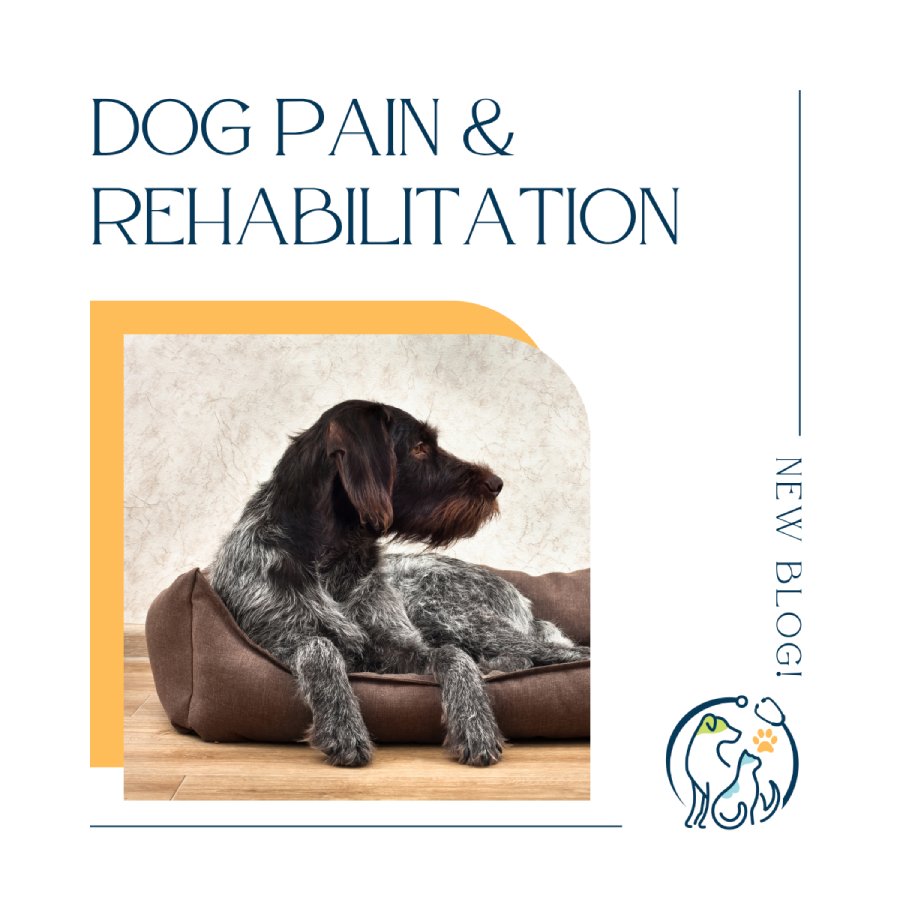
As pet parents, we want nothing more than for our dogs to live happy, comfortable lives. Yet, unlike humans, dogs can’t tell us when something hurts. They may suffer silently, relying on subtle cues to communicate their pain. Whether it’s due to age, injury, surgery, or chronic conditions like arthritis, understanding canine pain is the first step toward effective treatment—and this is where pet rehabilitation plays a vital role.
Recognizing Pain in Dogs
Pain in dogs can be acute (short-term) or chronic (long-term), and it’s often underdiagnosed because dogs instinctively hide discomfort. This behavior, inherited from their wild ancestors, can make it challenging for owners to spot problems early.
Some signs your dog may be in pain include:
- Limping or reluctance to move
- Whining, whimpering, or changes in vocalization
- Difficulty standing, sitting, or climbing stairs
- Decreased appetite
- Excessive licking or biting a specific area
- Behavior changes (withdrawn, aggressive, anxious)
- Postural changes (arched back, shifting weight)
If your dog displays any of these symptoms, a veterinary evaluation is essential. Pain is not a normal part of aging, and every dog deserves relief.
Common Causes of Pain
At Rehab 4 Paws & Integrative Therapy, we often see pain related to:
- Arthritis and degenerative joint disease: Particularly in senior dogs or large breeds.
- Post-surgical recovery: Pain after orthopedic surgeries such as cruciate ligament repair or hip dysplasia correction.
- Intervertebral disc disease (IVDD): A spinal condition that can cause severe pain and mobility issues.
- Soft tissue injuries: Sprains, strains, or torn ligaments from play or trauma.
- Neurological disorders: Conditions that affect nerves and movement.
- Obesity-related stress: Excess weight strains joints and soft tissues.
Understanding the source of pain is critical for crafting an effective rehabilitation plan.
How Pet Rehabilitation Helps
Canine rehabilitation is similar to physical therapy for humans. It uses non-invasive, evidence-based techniques to reduce pain, restore function, and improve quality of life. At Rehab 4 Paws & Integrative Therapy, each rehabilitation program is customized to your dog’s unique condition and goals.
Here’s how rehab supports dogs in pain:
1. Pain Management
Through modalities like cold laser therapy, therapeutic ultrasound, acupuncture, and manual therapy, we target inflammation, reduce nerve sensitivity, and stimulate healing. These approaches are drug-free, safe, and often enhance the effects of prescribed medications.
2. Improved Mobility
Therapeutic exercises focus on strengthening muscles, improving joint flexibility, and increasing stability. This helps dogs move more comfortably and reduces the risk of further injury. Even simple changes, like guided stretching or balance work, can make a big difference.
3. Faster Recovery
For post-surgical patients, rehabilitation promotes faster, more complete healing. It supports tissue repair, prevents complications like muscle atrophy, and helps your dog return to normal activities safely and confidently.
4. Weight Management
Excess weight compounds pain, especially in dogs with arthritis or joint issues. Rehab 4 Paws & Integrative Therapy offers integrative support that includes nutritional counseling and customized low-impact exercise plans to help dogs lose weight gradually while preserving muscle mass.
5. Emotional Well-Being
Living in pain can make dogs anxious, depressed, or fearful. Rehabilitation sessions provide mental stimulation, human interaction, and comfort, improving emotional health alongside physical recovery.
An Integrative Approach to Healing
At Rehab 4 Paws & Integrative Therapy, we combine modern veterinary practices with complementary therapies to address pain from every angle. Each treatment plan is designed after a thorough assessment, including gait analysis, orthopedic exams, and diagnostic imaging when needed.
Our team collaborates closely with referring veterinarians and welcomes your insights as a pet owner—because healing works best when everyone is on the same page.
When to Consider Rehabilitation
If your dog has recently undergone surgery, suffered an injury, or is showing signs of pain or mobility decline, it’s never too early to explore rehabilitation options. Early intervention often leads to the best outcomes.
Even if your dog is aging gracefully, preventive rehabilitation can support joint health, delay the onset of arthritis, and maintain a better quality of life for years to come.
Final Thoughts
Pain doesn’t have to define your dog’s life. With the right support and a compassionate, personalized approach, healing is possible. Rehab 4 Paws & Integrative Therapy is here to help your dog move better, feel better, and live better. If you suspect your dog may be in pain, don’t wait—schedule a consultation with our team and take the first step toward relief.


0 Comments